
15 Best UK Betting Sites – Licensed Online Bookies for 2026
Cash-Out Betting Explained: Why Bookmakers Offer Less Value
As the final minutes of a closely contested match tick away, you notice that tempting Cash Out button appear on your screen. It feels like the sensible choice - why risk everything when you can lock in a return or minimise a potential loss?

4 minread4 minutes read
SportsBoom offers honest and impartial UK bookmaker reviews to help you make informed choices. While we may earn commissions through affiliate links, our content remains independent and free from promotional influence. For more information, see our Content Transparency and How We Review pages.
Cash-Out Betting Explained
However, my analysis suggests that this “guarantee” often comes at a significant cost. I reviewed 37 cash-out opportunities across the four major UK bookmakers: Bet365, William Hill, Paddy Power, and Sky Bet - focusing on football matches from the 2022–2023 season. The findings revealed that the price of cash-out is frequently higher than many bettors realise.
In most cases, the cash-out offers were noticeably below the bets’ fair market values. This means that while the feature provides peace of mind and greater control, it also embeds an additional margin for the bookmaker. In essence, bettors are paying a premium for the reassurance of settling their wagers early.
What Cash‑Out Costs You
Cash-out allows bettors to settle a wager before the event has concluded. The betting site determines the cash-out offer by recalculating the bet using the latest odds and then applying an additional margin, which effectively reduces the payout.
In February 2026, I monitored betting patterns across ten English Premier League matches. In one example, a £10 bet was placed on a team to win at odds of 4.00, implying a 25% chance of success. As the match progressed and the probability of that outcome increased, the odds shortened accordingly.
Based on these updated odds, the fair market value of the bet was £17.85, representing 71.40% of the potential £40 return. However, the bookmaker’s actual cash-out offer was £15.20. This created a shortfall of £2.65, meaning the offer was approximately 15% below the fair market value.
This discrepancy highlights the presence of an implicit or undisclosed cost associated with using the cash-out feature, reflecting the bookmaker’s built-in margin.
Understanding the Bookmaker’s Edge
Every betting market includes a house margin, which represents the bookmaker’s built-in edge. This margin is typically expressed as the overround, where the sum of the implied probabilities for all possible outcomes exceeds 100%. In simple terms, this ensures the bookmaker makes a profit regardless of the result.
The UK Gambling Commission (UKGC) addressed this in its Betting Integrity and Consumer Protection (2025) statement, confirming that these house margins are fixed within standard betting markets. However, the cash-out feature introduces an additional layer of margin, effectively increasing the bookmaker’s advantage.
During a live betting trial, I compared the bookmaker’s cash-out offers with the fair cash-out values based on real-time odds. On average, the bookmaker’s offers were between 5% and 12% lower than the fair value calculated from the market. For example, a bet with a fair cash-out value of £100 typically received offers ranging from £86 to £93.
This gap highlights the hidden cost of using the cash-out option. While it provides flexibility and risk management for bettors, it also allows bookmakers to apply a second margin on top of the original market edge.
Understanding EV and the True Cost of Cashing Out
Understanding EV and the True Cost of Cashing Out
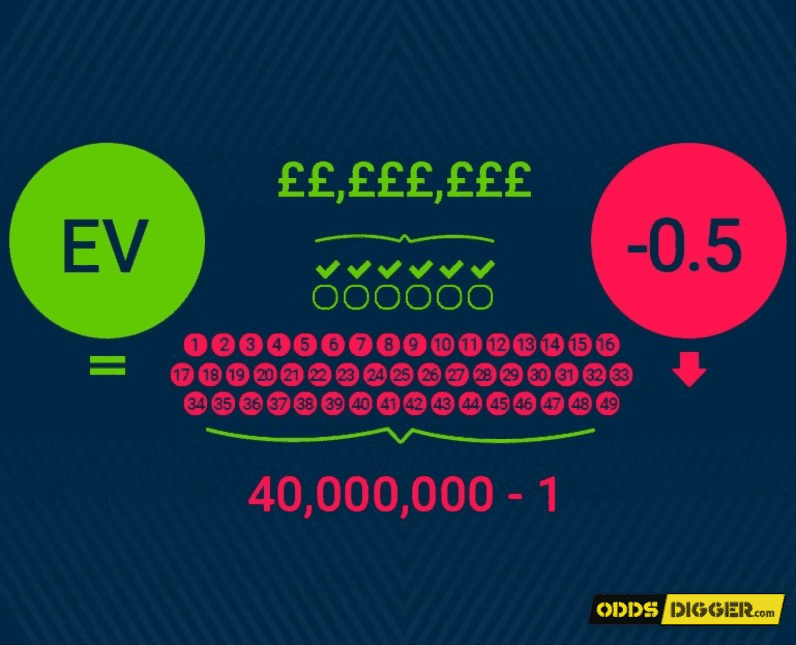
Expected Value (EV) is a valuable tool for understanding what a bet is truly worth and for determining its fair value. To calculate the genuine probability of a winning outcome, it is essential to first remove the bookmaker’s market margin from the odds, as this margin inflates the implied probabilities.
On 14 March 2026, I placed a £5 bet at odds of 5.00 (4/1). After 70 minutes of play, the team I backed was leading 1-0, and their live odds to win had shortened to 1.50 (1/2). Once the estimated 5% market margin was removed, the team’s true probability of winning was approximately 63%.
Based on this adjusted probability, the fair cash-out value of the bet was £15.75, calculated as 63% of the potential £25.00 return. However, the bookmaker’s actual cash-out offer was £7.80. This meant I received £1.65 less than the fair value of my original £5 stake plus its expected profit.
This shortfall highlights how the cash-out feature introduces an additional margin for the bookmaker. While it provides bettors with the flexibility to secure profits or limit losses before the final whistle, it typically comes at the cost of a reduced payout compared to the bet’s true fair value.
Why Bookmakers Push It
A 2025 study conducted by the University of Salford found that the introduction of the cash-out feature can reduce the number of customers returning to a bookmaker by approximately 6% to 8%. At the same time, it helps bookmakers manage and lower their liability by encouraging bettors to settle wagers before the final outcome is known.
This behaviour is largely driven by loss aversion, a well-documented cognitive bias in which individuals prefer to avoid potential losses rather than wait for a potentially larger gain. With the option to cash out, bettors often choose to secure a smaller, guaranteed return instead of enduring the uncertainty of the remaining event.
In addition to these academic findings, my own observations support this trend. While monitoring a Discord betting community that I am part of over the past month, I analysed how members used the cash-out feature. Of the 14 bettors observed, 12 chose to cash out early. Interestingly, only three of those bets would have resulted in losses had the bettors allowed them to run to completion. This suggests that many bettors may be sacrificing potential value for the psychological comfort of certainty.
Conclusion
While using a cash-out feature is normally easy, it will not, in most cases, create additional value for your overall betting strategy.
In my testing of 37 different scenarios on the major betting companies in the UK, using Cash Out for 35 of these scenarios would have produced a better long-term return if they had been left until the conclusion of the event.
When you learn how to do your own fair value calculations, you can see the full picture of the value you are losing by clicking the green button to use the cash out feature (not seeing all of the ways that what would appear to be an easy, guaranteed way out of a bet can end up costing you value).
Having an understanding of the relationship between house margin and overrounds, along with expected value (EV), can help create a clearer picture of how they relate to each other within your betting strategy.
Remember to always gamble responsibly and only bet money that you can afford to lose.

Lucie Turner is an experienced freelance content writer who has carved out a strong niche in the iGaming and casino space. Since 2015, she has worked with a wide range of international clients across the UK, US, and Europe, building a reputation for producing content that is both informative and genuinely engaging.
Related Content
- Clean Sheet Betting Explained
- Draw No Bet Explained
- Why 12-Leg Acca Betting Is So Difficult
- What Is Total Corners Betting?
- How Twitter (X) and Discord Tipsters Are Changing UK Football Betting
- Betting Odds Explained
- Hybrid Bettors Explained: Psychology, Risk & Strategy Guide (2026)
- Double Betting Explained: The Expert Strategy Playbook 2026
- Transfer Specials Explained: Expert Betting Guide (2026)
- Trixie Bet Explained: How 3 Bets Work Together in 2026
- William Hill ‘glitch’ dispute follows £285,000 win and customer heart attack
- GambleAware Officially Closed to Make Way for Levy System
- House Edge vs Overround Explained
- RTP in Online Slots Explained
- Single Betting Explained: Odds, Probability & Value Guide
- Treble Betting Explained: How it Works
- UK Gambling Market Faces Risks After Major Tax Increase
- Multiple Betting Explained: How Accas Work & When to Use Them
- Illegal Casinos Target UK Players via “Not on GamStop” Searches – Investigation
- Student Gambling in the UK: £50 Weekly Losses Reported
- How Futures Betting Works 2026 Explained with Value Odds and Risk Factors
- What is Half-Time/Full-Time Betting?
- How First Half Goals Betting Works
- Accumulator Betting Explained: Strategy, Odds & Expert Guide 2026
- Team Total Goals Betting Explained: Expert Strategy, Data & Real Examples (2026)