
Bridging
RTP in Online Slots Explained: What Return to Player Means
As an online casino player, you’ve almost certainly heard that games have a Return to Player or RTP percentage, and that if a game has a higher RTP, it’s more likely to pay out. But is that even true? If so, why would anyone choose a game with 94% RTP over one with 96% RTP? Well, it’s a little more complicated than that. Our guide will explain everything you need to know about payback percentages in the UK and what the practical implications are for you as a player.

SportsBoom offers honest and impartial UK bookmaker reviews to help you make informed choices. While we may earn commissions through affiliate links, our content remains independent and free from promotional influence. For more information, see our Content Transparency and How We Review pages.
RTP in Online Slots Explained
What is RTP in Slot Games?
The UK Gambling Commission defines Return to Player (RTP) percentage as “part of the money paid to play the machine that is then given back to the player as prizes.” But that’s a little technical and doesn’t really explain it for the average player. So let’s look at a quick example.
If a slot game has 96% RTP, that means that, in theory, for every £100 wagered, £96 should return to players over time. However, that doesn’t mean that if you spend £100, you’ll definitely get £96 back. RTP is calculated over millions of spins. Because RTP is calculated over such a long period of time, some casinos advertise “hot” and “cold” games, with high or low RTP over a short period.
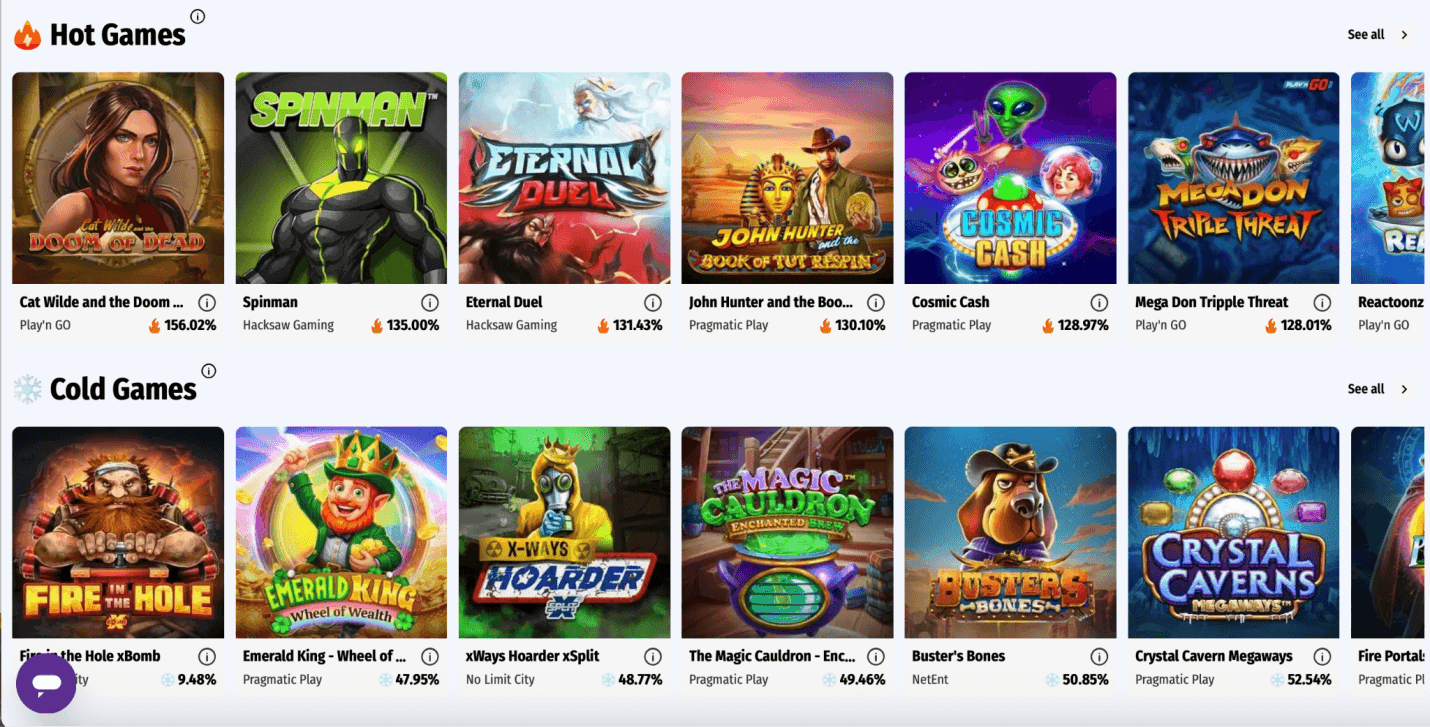
Slots can have higher or lower RTP over a shorter period of time
The inverse of RTP is the house edge, which is the percentage a casino keeps. This is how online casinos are profitable: slot games are designed to make a profit for the casino over time. In fact, this is the origin of the famous phrase “the house always wins”.
A less common metric that you might see is called “hit frequency”, which is defined as how regularly a slot game pays out a win. For example, if you’re likely to get one winning combination in 10 spins, the game has a hit frequency of 10%.
The Difference Between RTP, RNG, and Volatility
To fully understand RTP, you need to understand a few other key slot game concepts.
Random Number Generator (RNG) technology is a computer algorithm that randomly generates numbers all the time. The numbers align with symbol combinations, which is why the symbols that land on the reels are totally random every time you spin. A slot game can never remember you, so that’s a total myth.
Volatility refers to the way in which a slot game pays out, as opposed to RTP, which is about how much the slot pays out. A highly volatile slot tends to pay out less often, but wins are bigger, while a low volatility game pays small but consistent wins. RTP and volatility are a careful balance, because a game with 96% can have a high, medium, or low volatility index. This means that RTP isn’t the only important factor in choosing a game - volatility is also key.
How Does RTP Actually Work?
In the UK, there are two different ways for RTP to be calculated: Compensated Control and Random Control.
If a game uses Compensated Control, it continuously checks how much is being paid out and then slightly adjusts the odds of winning to meet the target RTP of the game. Random Control, on the other hand, the game relies entirely on statistical probabilities.
When you play a licensed online casino here in the UK, the RTP and game fairness are certified by independent bodies. Look out for certifications from the likes of eCOGRA and iTechLabs, to prove that the games have been audited.
How Does RTP Actually Work
What is Considered a “Good” RTP for Slot Games?
As I’ve mentioned already, a high RTP isn’t a guarantee that you’ll win during a single gaming session. But choosing a game with a higher RTP might give you a better chance of a payout over a long period of time.
There’s no statutory minimum RTP for slot games in the UK, but the average is considered to be around 96%. There are a few games that come with much higher RTP, for example, 98% or more: Blood Suckers and 1429 Uncharted Seas are two of the most popular high RTP options.
In general, progressive jackpot games like Mega Moolah tend to come with a lower overall RTP percentage, but the chance to win a large jackpot prize makes these games worth a go.
How to Find the RTP of a Slot
It’s easy to see the theoretical Return to Player percentage of a slot game. Some casino platforms list the RTP of every game on one page, usually accessible via the footer of the website, but it’s also readily available in each game’s info section. You can click on the paytable or game info once you’ve opened up the slot game, and if you scroll to the end, you should be able to find the RTP of the game.
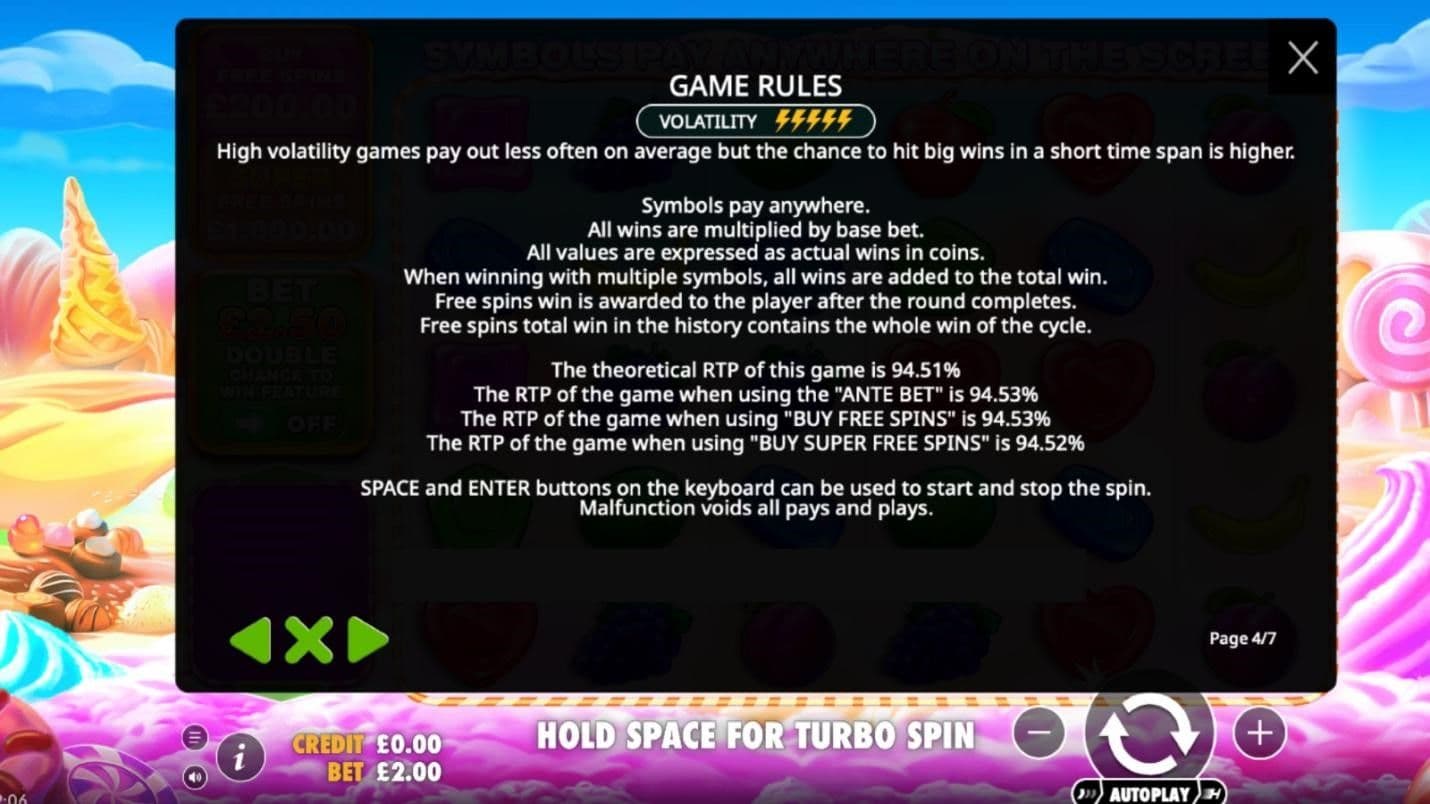
The game info displays the theoretical RTP
Conclusion
RTP might sound complicated, but it’s actually very easy to understand: it’s the amount of money wagered on a game that should be paid back to players over time. Remember, RTP is calculated over millions of spins, so even a game with super high RTP (for example 98% or higher) isn’t guaranteed to pay out every single time you play, meaning that responsible gambling and strong bankroll management are key. But choosing a game with higher RTP might be favourable in the long run - you can always check the RTP in the game info or on a list provided by your online casino.

Farah Barry is an experienced SEO content writer and content strategist with a strong background in digital marketing and the iGaming industry. With over a decade of experience across content, CRM, and brand management, she brings a well-rounded and commercially focused approach to everything she creates.
Comments
0 comments
No comments yet. Be the first to share your thoughts!
Related Resources to Bridging
- How Goliath Bets Work in Sports Betting
- Combination Bets Explained
- Cash Out or Let It Ride? How to Make the Right Call on Your Acca
- How Futures Betting Works 2026 Explained with Value Odds and Risk Factors
- Double Betting Explained: The Expert Strategy Playbook 2026
- Card Betting Explained: Strategy, Odds & How to Find Value
- Treble Betting Explained: How it Works
- Single Betting Explained: Odds, Probability & Value Guide
- System Betting Explained
- European Handicap Betting Explained
- Spread Betting Explained: Expert Playbook & Strategy Guide 2026