
Football
Draw No Bet Explained: The Smart Risk-Control Betting Strategy (2026)
When I first discovered Draw No Bet (DNB) for football betting, I misunderstood the concept and assumed it was only for people who didn't want to back either team to win, so I ignored it until I could take more time to analyse the results of the games. There are many more draws than most bettors realise, especially when the teams are closely matched, like the Chelsea vs Liverpool match earlier this season, or play cautiously; however, many bettors still make bets expecting that one team or the other must win. In this article, I will give you an overview of what DNB is and how it works in football betting; when to use it; how I personally make DNB decisions and manage risk; and how to identify matches that clearly have a good chance of benefiting from a DNB bet.

SportsBoom offers honest and impartial UK bookmaker reviews to help you make informed choices. While we may earn commissions through affiliate links, our content remains independent and free from promotional influence. For more information, see our Content Transparency and How We Review pages.

Draw No Bet Explained
What Is Draw No Bet Betting?
Draw No Bet is a football betting market where you basically bet on a team to win. If the match ends in a draw, your stake is refunded. In practical terms, the DNB betting meaning is simple: I back the team I think is stronger, and if the game ends in a draw, I get my money back.
How Draw No Bet Works
Draw No Bet is a two-way betting market, which immediately makes it different from traditional 1x2 betting.
You can place bets only on either the home or the away team to win the game. The winning team will then pay out as if you had placed a normal bet on them. If there is a draw after the game ends, your bet will be refunded. If the other team wins, your bet will lose.
All settlements are based on 90 minutes plus stoppage time. Extra time and penalties do not count.
Because the "draw" is eliminated, the DNB prices usually have a lower price than standard 1X2 prices. That reduction is not a disadvantage by default. It is the cost of removing one outcome from the equation.
If you browse the football markets on leading betting sites, you’ll notice Draw No Bet listed alongside standard 1X2 and Asian Handicap options.
A Simple Football Draw No Bet Example (Step by Step)
Let’s say I’m looking at Liverpool vs Newcastle that took place at Anfield last February.
- Newcastle are at home
- Liverpool is slightly stronger on paper
- Recent form suggests a tight, cautious match
Instead of backing Liverpool outright in the 1x2 market, I choose Liverpool – Draw No Bet.
Here’s how that bet plays out:
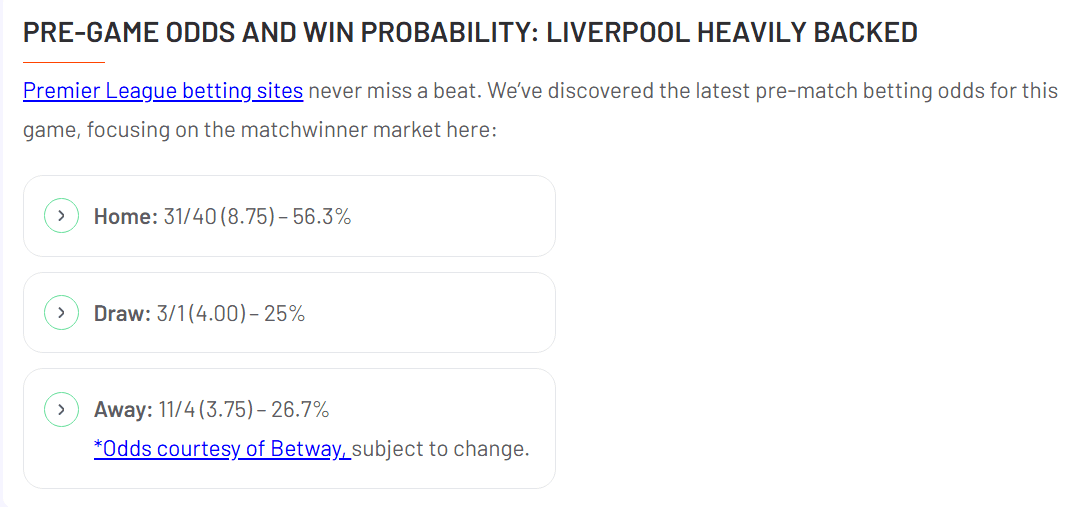
A Simple Football Draw No Bet Example
The key point is why I used DNB here:
- I wanted direction (Liverpool to win)
- I respected the draw risk
- I was happy to pay slightly shorter odds to remove one outcome
This is my Draw No Bet betting strategy, and it puts Draw No Bet betting into practice.
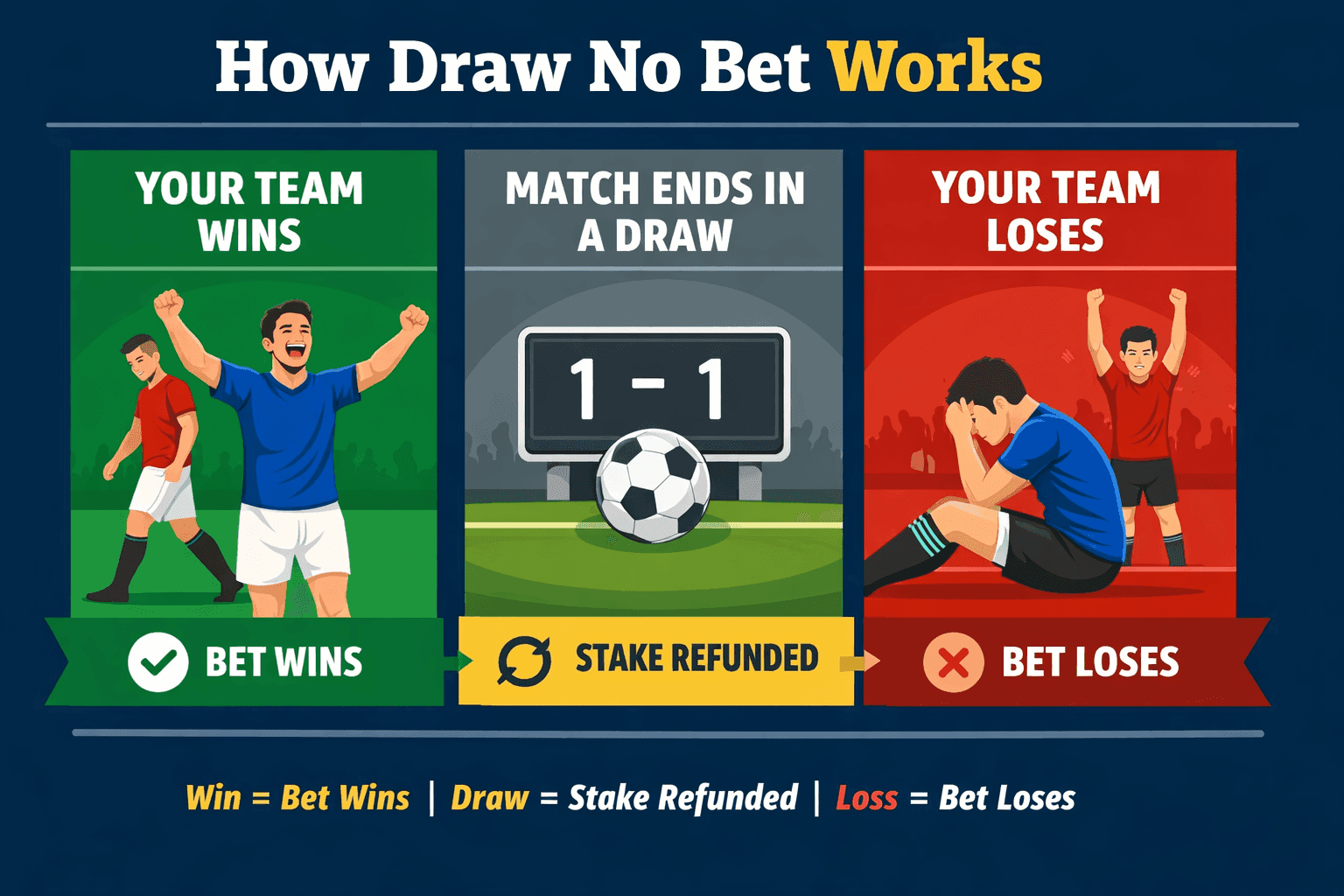
Draw No Bet betting strategy
Best Sports for Draw No Bet Betting
In Football, I find Draw No Bet (DNB) extremely helpful, though it could also work in many other sports as long as there’s no draw. The main consideration for me is whether I believe there will be a draw.
Football (Primary Market)
Football is where I get the most from DNB.
- Common Draws.
- Tactical Games create more draws to inflate draw likelihoods.
- Price Efficiency and Liquidity are maintained.
I find I use DNB mainly in Football when the teams I am considering to bet on either match each other closely, or when there is a stronger team playing away from home, and I feel the possibility of there being a draw is very real.
Ice Hockey (Regulation Time)
I use Draw No Bet differently for ice hockey than in other sports, only during regulation time.
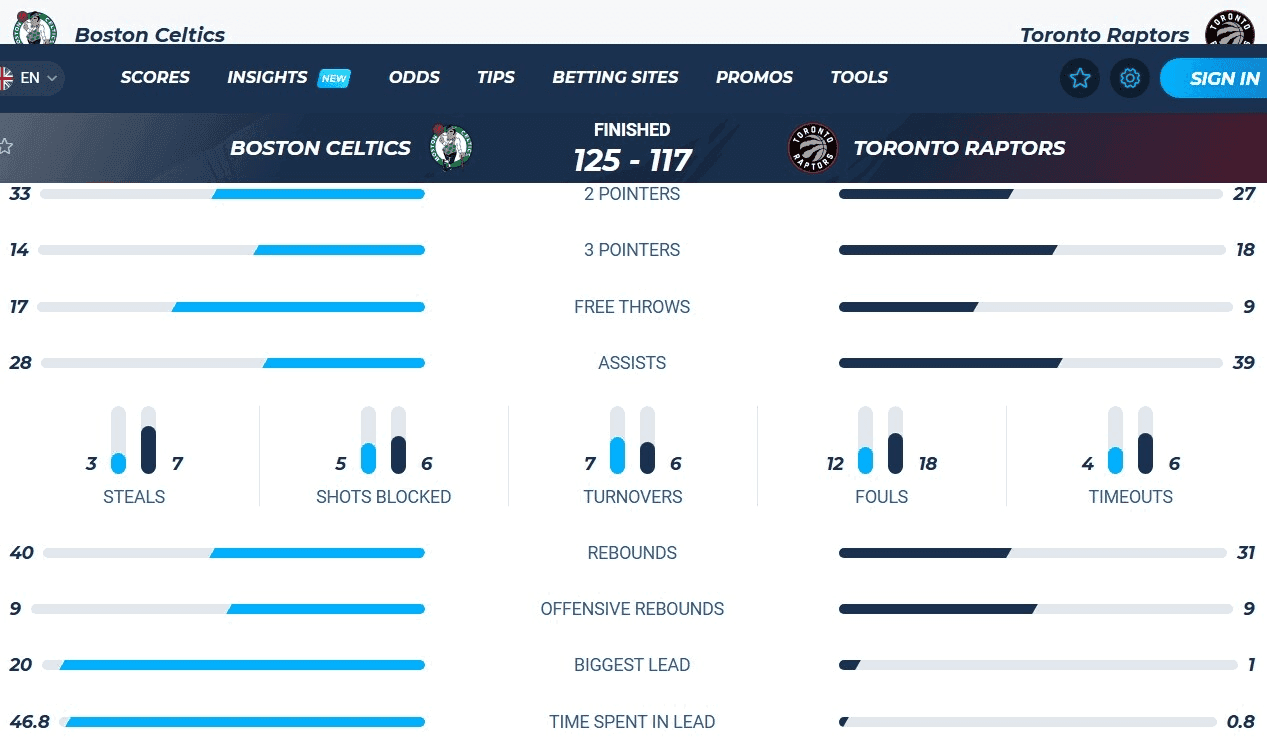
Ice Hockey (Regulation Time)
Example:
Toronto and Boston are even-matched teams. I am wagering on Toronto at a Draw No Bet (60 min).
Outcomes with this wager:
- Toronto wins in regulation: I win.
- Toronto and Boston level after 60 min: I get my stake back.
- Boston wins in regulation: I lose.
Reason why DNB works for this type of market:
- As many games go into overtime, DNB eliminates the associated risk.
The following example shows why a Draw No Bet bet would NOT have been successful on this particular match.
Handball
Handball is underrated for Draw No Bet.
Example:
Two mid-table European sides with similar scoring rates.
- High tempo
- Short scoring swings
- Draws happen more often than pricing suggests
Backing the slightly stronger team, Draw No Bet allows me to take a position without overpaying for Double Chance.
Field Hockey
Field hockey suits DNB for similar reasons.
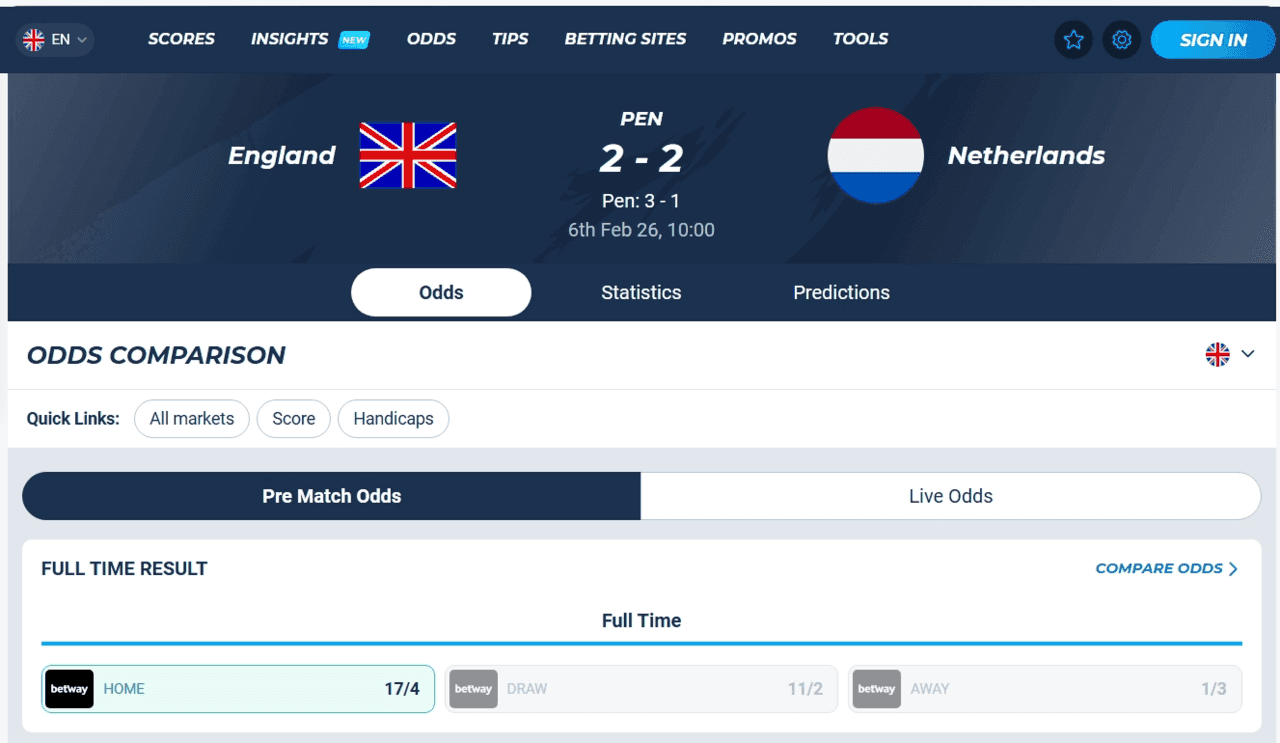
Field Hockey draw no bet
- Low scoring
- Tight margins
- Draws cluster around even matchups
The following example would be a good Draw No Bet bet, as the outcome was a draw.
When I notice that a team is in much better condition in terms of fitness, structure, or overall ability to play at a higher level, but has not scored goals in their past 4 games, I will place a bet using the draw no bet (DNB) option.
What Happens If the Match Is a Draw?
A Draw No Bet would refund your entire wager if a match ended in a draw.
In effect, there is neither profit nor loss on the DNB bet, and so it is treated as void for betting purposes.
This clarity is one reason I enjoy betting on DNB bets, as you aren’t covering numerous potential outcomes and tying yourself into poor odds; you are just removing one of the possible results from your risk.
Why Draw No Bet Exists
Bookmakers introduce the Draw No Bet option to enable punters to place bets on an event without the risk of losing their stake.
In the traditional 1x2 betting market, all three possibilities (win, draw, & lose) have equal coverage in terms of odds and probability.
When a punter places a bet using DNB, they are effectively replacing the likelihood of a draw with a two-to-one opportunity of winning or losing.
Based on my experience, people can misuse the Draw No Bet option when the chance of a draw occurring is low. However, the most effective use of the Draw No Bet option occurs when the risk of a draw is underestimated.
Draw No Bet vs Other Betting Markets
When people ask me about Draw No Bet, it’s usually in comparison to other markets. I look closely at Draw No Bet vs Double Chance and Draw No Bet vs Asian Handicap to see which option offers the best value for the same match view.
Market | Win | Draw | Loss |
1X2 | Win | Loss | Loss |
Double Chance | Win | Win | Loss |
Draw No Bet | Win | Refund | Loss |
Asian Handicap (0) | Win | Refund | Loss |
This is why I treat Draw No Bet as a precision tool, not a blanket safety option.
The Draw No Bet Match Archetype Framework
Draw No Bet usually works best for three types of matches:
- Slightly favoured team vs similar teams: This type of match can typically be very tactical, so a draw has to be considered a realistic outcome.
- The stronger team is away: Normally, in this type of match, the stronger team is better than its opponent. The conditions caused by being away from home increase the risk of a draw.
- A low-scoring match: Typically, a low-scoring match is played at a slow pace with limited scoring opportunities. A low-scoring match generally means that only one goal will be scored (or none).
If the match doesn’t fit into one of the above profiles, I stay away from wagering on Draw No Bet.
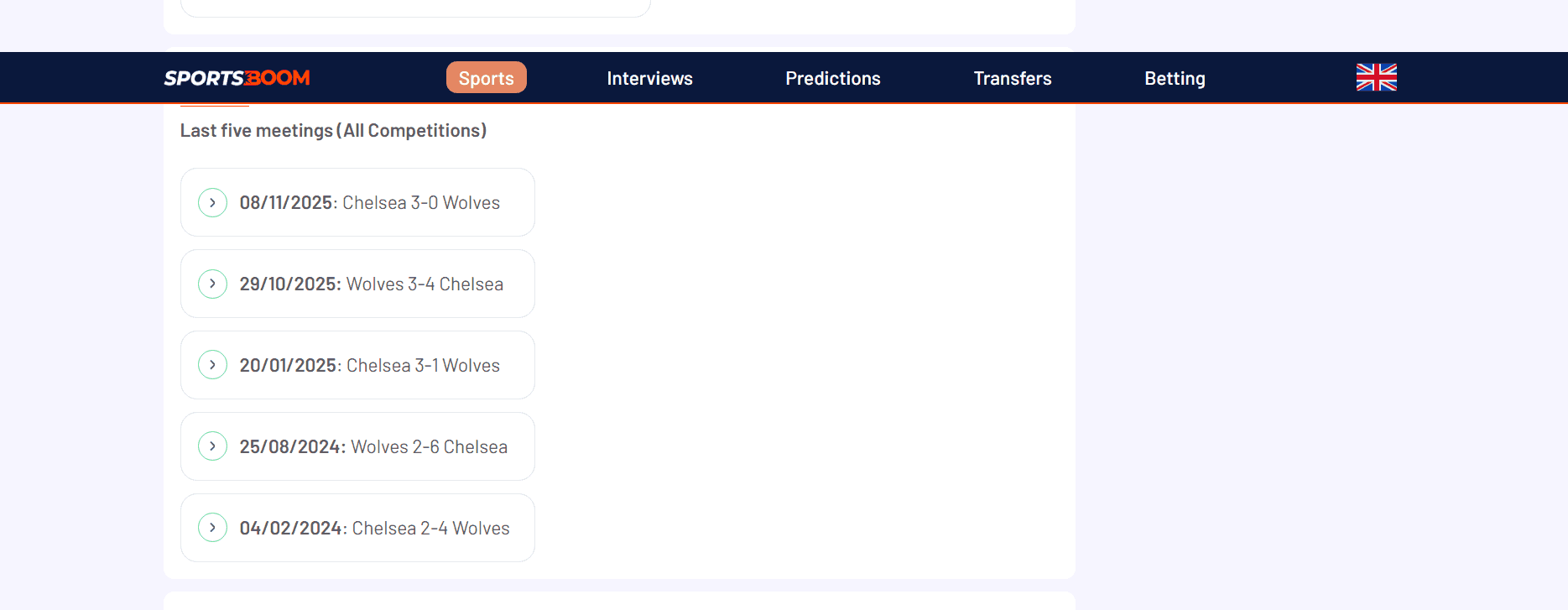
Take Wolves vs Chelsea, which took place on 7 February, as an example. Even as a devout Arsenal supporter, I’d more than likely put a bet on Chelsea to win. As you can see from the stats from their last five games, there were no draws, so Draw No Bet would be your best option.
The Draw No Bet Match Archetype Framework
Pros and Cons of Draw No Bet Betting
Pros
Your stake is refunded if the match ends in a draw
It works well in balanced or cautious fixtures
It helps stabilise bankroll swings
It is effective for away favourites
Cons
Odds are lower than 1x2
It can be overpriced on heavy favourites
It is less suitable for open, high-tempo matches
The key is not to treat DNB as automatically good or bad. It depends entirely on the fixture and the price.
- Using DNB for “safety”
- Using DNB on very strong teams
- Ignoring Asian Handicap 0 pricing
- Adding DNB to accumulator bets without checking prices
Draw No Bet Betting Checklist
Prior to placing a Draw No Bet (DNB), I like to take my time and ask myself a few basic questions:
- Is one team marginally superior to the other?
- Is there any real risk of the match ending in a draw?
- Is the price fair?
- Are there more advantageous Asian Handicaps available?
- Does the pace of the game appear to indicate domination, rather than random chance?
When my answers to these questions are consistent, it gives me confidence that DNB is a viable betting option.
FAQs
Is Draw No Bet profitable long-term?
In my experience, yes. Using Draw No Bet in the long-term may result in profits. The method is most effective for matches that are likely to end in either a draw or a significant victory for one team.
Is Draw No Bet safer than Double Chance?
When compared to Double Chance, Draw No Bet is a safer option as it gives a greater opportunity to profit while also accounting for the risks associated with draws.
Can Draw No Bet be used in accumulators?
The use of Draw No Bet in accumulators is possible. Personally, I prefer to use this betting option as a single bet rather than as part of an ACCA.
Can you lose money with Draw No Bet?
Yes. If the team you back loses within 90 minutes, your stake is lost. The only protected outcome is a draw.
Is Draw No Bet better for favourites or underdogs?
It’s usually more effective for slight favourites in balanced matches. Using Draw No Bet on heavy favourites often reduces value, as the likelihood of a draw may already be low.

Lucie is a content specialist with extensive expertise in the iGaming and Sports betting industries. With a strong background in PR and Marketing Communications, she excels at crafting engaging casino and slot reviews that resonate with players.
Related Content
- Clean Sheet Betting Explained
- Newcastle United vs Manchester City FA Cup Preview
- Mansfield Town vs Arsenal FA Cup Preview
- Correct Score Betting Explained
- Asian Handicap Betting Explained
- Last Goalscorer Betting Explained
- What is Anytime Goalscorer Betting Explained: The Complete Playbook 2026
- Win to Nil Betting Explained
- BTTS Betting Explained: A Pro's Guide to Markets & Strategy
- Liverpool vs Barnsley Preview
- Charlton vs Chelsea FA Cup Preview
- Derby County vs Leeds United Preview
- Portsmouth vs Arsenal Preview
- Manchester City vs Exeter City Preview:
- Newcastle vs Bournemouth FA Cup Preview
- Everton vs Sunderland FA Cup Preview
- Tottenham vs Aston Villa FA Cup Preview
- Oxford vs Middlesbrough Preview
- Albania vs England Preview
- Leicester City vs Stoke City
- Altrincham vs Sutton United Preview
- Woking vs Gateshead Preview
- Forest Green Rovers vs Hartlepool Preview
- Crystal Palace vs Manchester City Preview